How Much Do Welders Make? Welding Average Salary
12.27.2025
welding salary
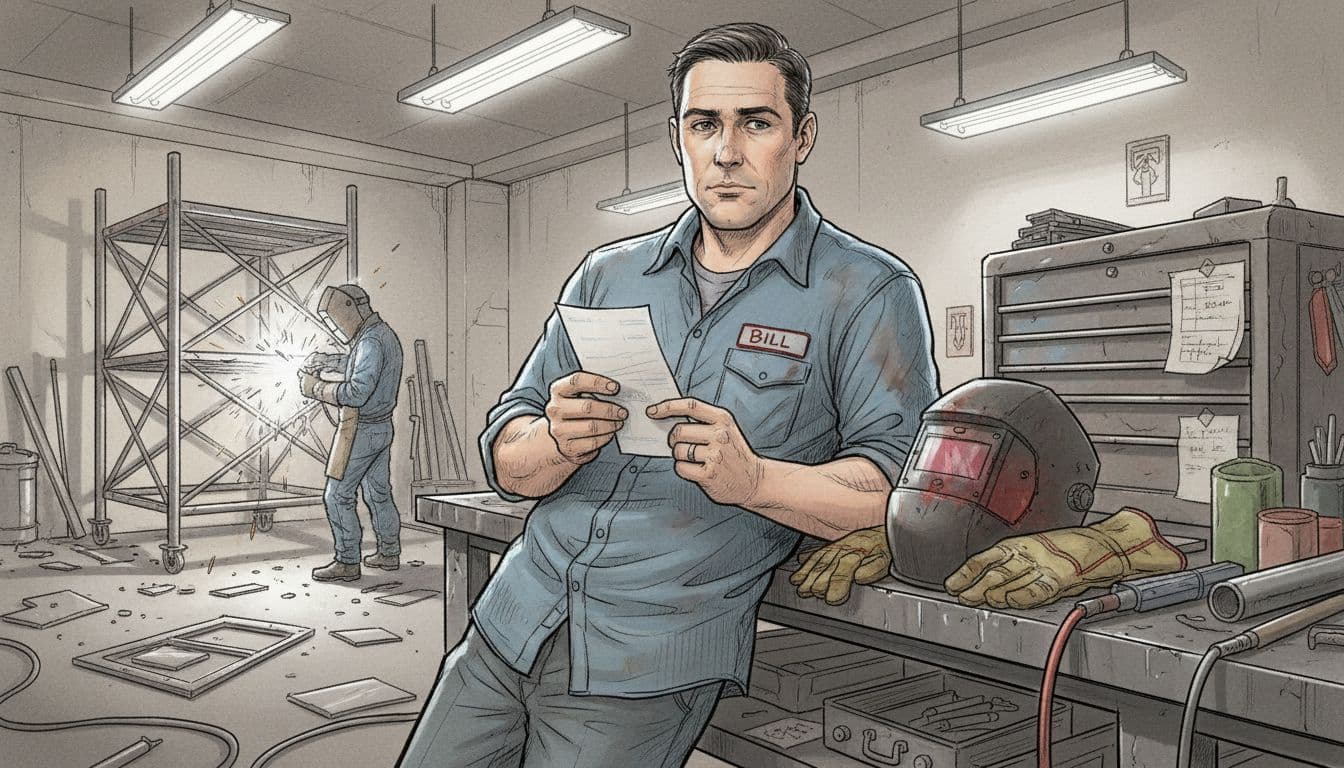
Welding Career Overview
What You Should Know
Annual Salary Overview for Welders
Annual average salary: $59,330. A welder's salary may vary but usually will differ based upon the skill set of the particular welder or the specialty area of welding.
Earnings Increases through Specialties
Specialty welding typically provides a greater potential income than that of a general welding position; therefore, some specialty welders (e.g., those who work with underwater and pipelines) may earn an annual salary in excess of $120,000.
Certification as a Path to a Higher Earning
The certification received from an organization such as AWS typically results in a 20 to 40% increase in income for welders.
Regional Differences
Geographical location is a significant factor in the amount of money that a welder may be able to earn. For this reason, welders living in the state of Alaska earn more, on average, than welders in all other regions.
Different Definitions of Welders Earnings by Industry
Welders earn more than metal and sparks. Welders' salary potential is very high and varies greatly from the common perception regarding a welder's potential salary based on average wages collected through data by different welding companies. According to the average wage data collected, on average, welders earn around $59,330 annually ($29 per hour), but to qualify for each state's average wage, it is essential to understand that there is no one-size-fits-all wage range for welding careers.
The large range of wage differences for welders is attributed to many contributing factors; welders' wages will vary for many different reasons. Therefore, the average salary for welding is as high as $67,657 (75th percentile) and as low as $52,802 (25th percentile). Factors affecting the variable wages of welders consist of the following:
- The Skill Level and Experience of a Welder (very inexperienced new welders earn a significantly lower hourly rate than experienced, skilled welders);
- The Certification Level of a Welder (an advanced certification level with specialized skills typically results in a higher wage);
- The Industry the Welder is Employed (e.g. A welder working in the Construction Industry may be paid differently compared to an equally skilled welder working in the Aerospace Industry and vice versa);
- The Location a Welder Works (The level of demand in a geographic area and the cost of living are both weighted heavily when calculating the average pay for welders); and
- The Size of the Employer of the Welder (Generally speaking larger employers provide more competitive salaries and benefits packages, than do smaller employers).
There is much more than simply average when it comes to earnings for welders; many factors determine how much you will earn as a welder. Each person's earning potential is based on their continued focus on improving their welding skills and on their willingness to seek employment in industries with the highest demand for welders. A welder who is dedicated to improving his welding skills, obtaining training in advanced techniques, and finding jobs in specialized fields can turn this skill into a very lucrative career.
Types of Welding Jobs and What They Pay
Welding has multiple avenues and types of welding jobs offer various types of pay. Instead of only having one type of job type, welding has multiple specialized professions within it that each have their own earnings potential. From learning the skills to be a welder through a Technical Degree or other types of related training, to being able to conduct a profitable career path in welding based on your skills, the welding industry shows many examples of how being a welder can lead to higher earnings than most of those in other industries.
Below we will describe only a few of the most lucrative specialized forms of welding, which include:
- One of the highest paying types of welding is underwater welding. This form of welding has an extreme working environment compared to the typical working environments found at welding shops. Welders working underwater typically earn between $60,000 to $100,000 annually due to the very hazardous conditions in which they operate (e.g. offshore oil rigs, marine construction sites, shipyards, etc.).
- Another high-paying type of welding is pipeline welding. A pipeline welding job is classified as one of the most prestigious types of welding jobs within the welding industry. Pipeline welders typically earn between $70,000 to $120,000 a year, which can differ based on factors such as: complexity of project, geographical region and type of construction materials used to create the pipeline.
- In the aerospace industry, aerospace welding uses specially trained welders to create parts for both commercial and military aircrafts, space vehicles and satellites. Aerospace welders can typically earn anywhere from $65,000 to $90,000 annually on average.
- Nuclear facility welding is a very specialized form of welding, and requires all welders to complete extensive state and federal certification, meet strict federal and state guidelines and comply with very stringent safety requirements in order to become certified as a nuclear facility welder. The salary for many nuclear facility welders can range between $75,000 and $110,000 each year on average.
- Lastly, welding for Military and Defense is often one of the best ways to earn a good salary. The income of a special welding trade employee in the Military and Defense sector can range between $60,000 and $95,000 per year on average.
To achieve maximum potential from your welding career earnings, you must continuously acquire and maintain your skills, obtain advanced certification, and be willing to work in difficult situations. With every level of specialization, you achieve through the acquisition of more advanced skills, your earning capacity will increase. Additionally, as you complete more complex projects, your potential for income will continue to grow.
Top Factors That Impact Welding Salaries
Salaries for welding jobs can differ significantly depending on a number of criteria. The most important of these is experience level, which includes whether a person is just beginning or has many years of industry experience. Those who have developed more advanced welding skills will be able to take on higher-paying jobs and thus earn better wages over time.
There are a few key things that impact how much money welders can make over time:
- Location: States located on the West Coast such as California and also the State of Texas tend to offer the highest wages for welders due to more industry opportunities such as Manufacturing and Energy.
- Specialty Industries: Welders with advanced skills in specialized industries such as Aerospace, Nuclear, and/or Offshore welding typically earn higher salaries than welders employed in General Manufacturing.
- Certifications: The more advanced a welder’s certifications are (AWS, as an example), the higher their salary will typically be - twenty to forty percent higher in many cases compared to welders who have only basic certified credentials and training.
- Welding Techniques - Welders who can work with various types of welds (TIG, MIG, PipeTypes) are also more likely to earn a higher wage than welders who only perform basic welding tasks.
- Work Conditions - Welders who provide underwater welding services, as well as those who provide service in high altitude locations, assume significantly more risk and therefore command a much higher salaries because they have a unique skillset.
To summarize the welding profession is a personal investment. When you develop skills that you'll use in your career, continually learn new welding skills and take on more difficult work opportunities, over time your profession in welding will transition from being a simple trade to a high-paying and fast-paced career.
Salary Boosting through Welding Certifications
Having welding certifications can help you to dramatically increase your earning potential as a welder. These credentials demonstrate to employers that you have the technical skills needed to perform your job at an advanced level and thus give you a competitive edge when applying for welding jobs. They also allow you to become a specialized welder rather than just a basic welder and thus enable you to earn higher salaries than basic welders.
If you want to receive the best welding certification available, pursue certification from a reputable organization with established authority in the welding industry. Some organizations that provide top welding certifications include:
- The American Welding Society (AWS); earning a certification from AWS may increase your salary potential by approximately 20 % to 40 %, depending on your work experience.
- The American Petroleum Institute (API); a certification from API indicates that you are qualified to perform welding in the oil and gas industries, and many employers will pay premium salaries for certified welders.
- The American Society of Mechanical Engineers (ASME); this is another highly respected certification that signifies a level of expertise in welding skills.
- There are also specialized welding certifications for underwater (underwater welding), nuclear (nuclear welding), and aerospace welding applications. When you receive one of these certifications, it will set you apart from the competition.
- Many advanced welding techniques are included as certifications by AWS, API, and ASME. These advanced techniques include welding with a TIG (Tungsten Inert Gas), MIG (Metal Inert Gas), and specialized pipe welding techniques.
In addition to obtaining certifications for welding, welders can continue to invest in their careers by developing new skills through training and experience. Welding is a continuously evolving profession, and welders who see their careers as a continuous learning process will outperform those who do not continue to develop their skills.
Each time you earn a certification or master a new skill by completing a complex project, you will be laying the foundation for future earning potential and job opportunities.
Understanding Regional Differences in Welder Pay and Demand
The job market in welding varies quite significantly, a vast geographical area, which can drastically alter your income opportunities based on location. Welders working in the industrial centers of California will make significantly more when compared to those working in Alaska, which offers resource-rich environments, such as; oil fields, lumbering and fishing industries.
Below are the most lucrative areas for welders across America:
- Alaska has the highest average salary for welders of $79,210.
- Washington D.C. has an average salary from $58,463 to $74,909 for welders.
- California’s average salary for welders ranges from $58,241 to $74,625.
- Hawaii has consistently had a higher-than-average salary for welders of all skill levels.
- Other areas with concentrated Industries:
- Gulf Coast, which includes the states of Louisiana, Mississippi, Alabama and Texas. They are all states that contain a strong Oil and Gas infrastructure.
- The Pacific Northwest is considered a hub for Aerospace and Marine Manufacturing.
- The Midwest (MI, IN, WI IL, OH, KY, MO) includes many of the Manufacturing and Agricultural Equipment Industries.
There are emerging job markets for Welders in
- Areas of Renewable Energy where there is growth in the installation of Wind and Solar projects.
- The Technology Hubs, where there continues to be a growing need for Precision Welding as associated with Advanced Manufacturing.
Successful Welders think of “Geographic Location” as a strategic career decision more than simply selecting a location to work, thus helping them to capitalize on the most lucrative jobs in the welding Industry. Additionally, by staying abreast of regional areas of economic growth and developing a versatile skillset in the welding trade, welders can take advantage of the most lucrative job opportunities found in welders across America.
Turn Your Welding Skills into Higher Earnings Today
The income you make from welding can vary significantly due to factors such as certification level, location, specialization, and ongoing education/development. Many welders find that their current earning potential seems capped or they find it challenging to move into higher paying positions like underwater or aerospace welding. If you have this concern, you will need to take charge of your future by understanding the most critical factors influencing your income level.
To assist you with professional development in welding and career direction, we offer customized resources for attaining and maintaining certification, developing specialized skills, and accessing regional labor markets specifically related to welding. In addition, we have provided you with many online resources including guides, templates for resumes and cover letters, and training/education opportunities through Your One Stop Shop for Career Resources. Do not wait for an opportunity to come knocking at your door. Go to mycareershop.com right away so that you can develop the career you want!
Frequently Asked Questions
What is a welder’s average salary?
Welders in the U.S. earn approximately $59,330 annually, which translates to approximately $29 per hour at the current national average (January 2020). Wages for welders vary significantly based on experience, location and type of welding they perform.
What factors influence how much welders earn?
There are several primary factors that contribute to how much money a welder will earn. A welder’s earnings increase with greater work experience. Specialized training or additional certification provides a technique/skillset and may provide a welder higher earnings than those without these credentials. Another significant factor influencing a welder's earnings is his/her place of residence and work location; therefore, a welder can expect to earn higher wages based on his/her geographic region. Other considerations include the size and type of employer that hires welders (i.e., size of company) and how competitive the market is.
Are certifications worth the money?
Yes, certifications will generally have a positive impact on your salary. When you get certified as a welder, you will often see an increase in pay by 20% to 40%. Certification from the AWS shows that you are properly trained and that you take your job seriously.
What welding jobs make the highest salary?
Some of the highest-paying welding jobs are found in very specialized areas such as; underwater welding; pipeline welding; aerospace industry; working with nuclear power plants; working with the military and defense industries. These jobs tend to be higher-risk jobs because they may require special training or certification and the salary can vary greatly. Salaries for these specialty jobs can range from $60,000 - $120,000+ per year for welders who are experienced and certified.



























Subscribe to My Career Shop Content
Stay up to date with Blog Posts and Podcast Episodes!

Your One Stop Shop For All Career Resources
Whether you are exploring new career paths, building your resume, or preparing for your next opportunity, our tools, templates, and guidance are designed to help you navigate your career journey with clarity and confidence.



 Career Resources
 Search All Careers
 Compare Careers
 Income Outlook
 Career Pathways
 Career Clusters
 Job Suite Home
 CV Templates
 Resume Templates
 Cover Letter Templates
 All Templates
 Job Resources
 Blog Articles
 Podcast
Copyright © 2025 My Career Shop. All rights reserved.